The Rise of Online Gaming in 2026
As we transition into 2026, the online gaming landscape continues to evolve rapidly, driven by technological advancements and shifting player preferences. With millions of gamers worldwide engaging in a vast array of genres, the industry showcases its resilience and adaptability. From competitive esports to casual social games, online gaming offers experiences that cater to diverse audiences. As the demand for immersive experiences grows, various platforms are stepping up to provide gamers with exciting opportunities. When exploring options, https://proplay88.uk.com/ offers comprehensive insights into the dynamic gaming world, highlighting trends and innovations that define this vibrant space.
Current Trends in Multiplayer Gaming
The multiplayer gaming segment continues to dominate, showcasing impressive growth in player engagement and participation rates. Cross-platform gaming has emerged as a vital trend, enabling players from various ecosystems—be it PC, console, or mobile—to compete together seamlessly. This accessibility not only fosters a more inclusive community but also enhances matchmaking efficiency by expanding the player pool.
Moreover, games that blend genres, such as battle royales incorporating role-playing elements, have surged in popularity. Titles like “Fortnite” and “Call of Duty: Warzone” attract diverse audiences, combining competitive gameplay with cooperative elements. The rise of social gaming, where interaction and collaboration among players are prioritized, further illustrates this trend.
Popularity of Streaming Platforms
As gaming becomes more mainstream, the phenomenon of streaming continues to gain momentum. Platforms like Twitch and YouTube Gaming have redefined how gamers consume content and connect with one another. Viewers not only enjoy watching gameplay but also actively engage with streamers, creating a community atmosphere that enhances the gaming experience.
In 2026, interactive streaming technologies that allow viewers to influence game outcomes or participate in challenges are becoming commonplace, transforming passive viewing into engaging participation. Streamers now serve as influencers, shaping trends and introducing new games to audiences, thereby propelling lesser-known titles into the spotlight.
Community Engagement in Gaming
Community engagement is increasingly essential to the gaming experience. Developers are embracing feedback loops, encouraging players to influence game development through beta testing and community-driven updates. The importance of forums and social media groups cannot be understated; they serve as platforms where gamers share experiences, strategies, and support each other.
Furthermore, the rise of virtual events, such as online game festivals and tournaments, fosters community spirit. These events not only promote engagement but also provide opportunities for monetization through sponsorships and merchandise sales for both developers and players.
Essential Strategies for Gamers
Building Effective Team Dynamics
Successful multiplayer gaming often hinges on strong team dynamics. Gamers must develop effective communication skills and learn to collaborate to achieve common objectives. Understanding individual roles within a team, and playing to each member’s strengths, lays the groundwork for building a cohesive unit.
Additionally, team-building exercises outside of gaming—such as strategy discussions and collaborative problem-solving tasks—can enhance understanding and trust among team members. These strategies are particularly crucial in competitive environments, where synergy can determine victory or defeat.
Communication and Coordination Techniques
In fast-paced gaming scenarios, effective communication is not just an advantage; it’s essential. Players should utilize voice chat tools and in-game communication systems to relay information quickly and clearly. Establishing a common terminology and signals can streamline these communications, improving responsiveness and overall team effectiveness.
Coordinated practices, like rehearsing strategies for specific maps or game modes, help players develop muscle memory and improve in-game decision-making. Creating a culture of open feedback within the team encourages growth and adaptation over time.
Utilizing Game Analytics for Improvement
Data-driven decision-making is becoming increasingly prevalent in gaming. Players can analyze gameplay statistics to identify areas for improvement, using analytics to understand their performance metrics better. Utilizing tools for tracking win/loss ratios, kill/death ratios, and objectives completed can provide valuable insights into player behavior and skill development.
Many games now offer built-in analytics options, but third-party applications are also available to enhance this data analysis. Embracing these tools allows players to set realistic goals and track progress effectively.
Staying Safe in Online Gaming
Understanding Cybersecurity Risks
As online gaming grows, so does the risk of cybersecurity threats. Gamers must remain vigilant against hacking, phishing attacks, and identity theft. Understanding common threats and how they manifest is the first step in ensuring a secure gaming environment. Cybersecurity education can empower players to recognize suspicious activities and know when to take action to protect their accounts.
Investing in cybersecurity measures such as two-factor authentication and strong, unique passwords can significantly reduce risks. It is essential to keep personal information private and be cautious about sharing any details that may jeopardize account security.
Best Practices for Protecting Accounts
Protecting gaming accounts is paramount to preserving progress and investments. Players should regularly update passwords and utilize strong combinations that are difficult to guess. Additionally, employing password managers can help generate and store complex passwords securely.
Be cautious about the devices used for gaming, ensuring they have updated antivirus software and firewalls activated to prevent external breaches. Being aware of the devices connected to your gaming accounts can help mitigate risks associated with public networks.
Recognizing and Avoiding Scams
The gaming community is not immune to scams, including fake giveaways, account sales, and fraudulent investment opportunities. Players must approach offers that seem too good to be true with skepticism and conduct thorough research before engaging with unfamiliar entities.
Always verify sources and seek recommendations from trusted community members before participating in new platforms or transactions. Trusting reputable platforms for purchases and interactions can significantly decrease the chances of falling victim to scams.
Technical Requirements for Optimal Performance
Hardware Essentials for Gamers
In 2026, the demands of online gaming necessitate robust hardware specifications for optimal performance. Gamers should invest in high-performance components, including powerful GPUs that can handle intensive graphics and a reliable CPU for seamless gameplay. High refresh rate monitors improve visual fluidity, while sufficient RAM ensures smooth multitasking.
Moreover, peripherals like gaming mice and mechanical keyboards can enhance gaming experiences, offering faster response times and greater precision.
Software Tools for Enhanced Gameplay
Alongside hardware, appropriate software tools are vital in maximizing gaming experiences. Optimizing system settings, updating drivers, and using performance-enhancing software can eliminate lag and enhance visuals. Streaming software and overlays can further enrich gameplay, especially for content creators.
Utilizing game launcher apps that include built-in performance trackers helps gamers monitor their systems, adjusting settings as needed to maintain optimal performance.
Internet Connectivity and Stability
Stable internet connectivity is crucial for online gaming. Gamers should opt for high-speed internet plans and consider wired connections for reduced latency and interruptions. Upgrading routers and using Quality of Service (QoS) settings can prioritize gaming traffic over other network activities, reducing lag during critical moments.
Regularly testing internet speed and ping can help diagnose connection issues, ensuring players can respond promptly when problems arise.
Future of Gaming Beyond 2026
Emerging Technologies in Gaming
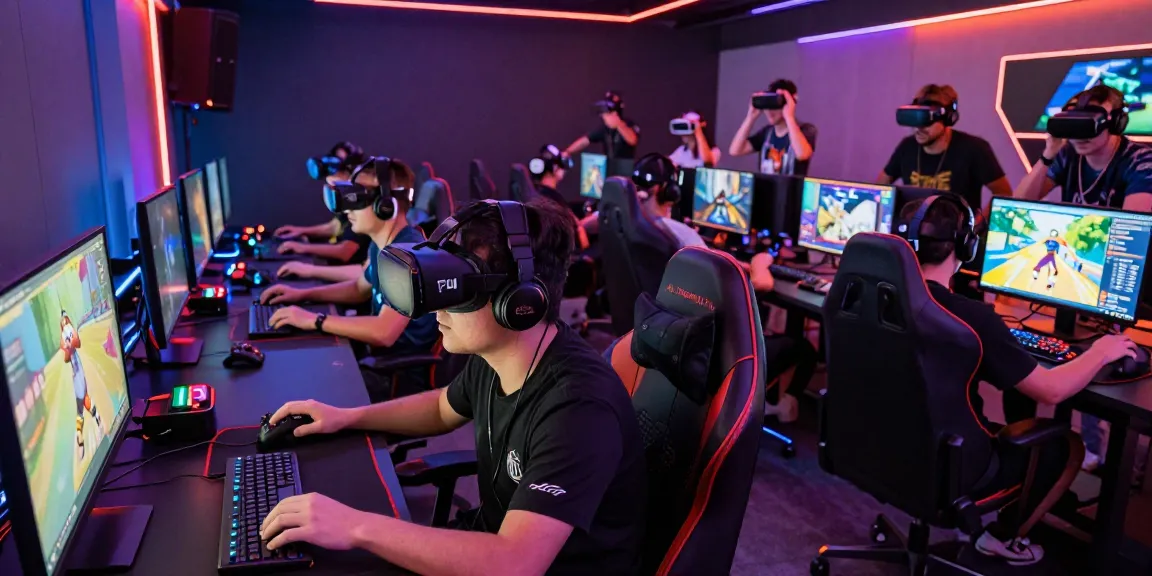
The future of gaming is bright, with emerging technologies set to redefine the gaming landscape. Innovations in virtual reality (VR) and augmented reality (AR) are enhancing immersion, allowing players to experience games in ways previously unimagined. These technologies create interactive environments that blur the lines between reality and gaming.
Cloud gaming is also revolutionizing accessibility, enabling players to stream games without the need for powerful hardware. This shift expands the gaming audience and democratizes access, allowing players from various backgrounds to enjoy high-quality gaming experiences.
Predictions for Player Experiences
As technology evolves, so will player experiences. The advent of increasingly sophisticated artificial intelligence (AI) in games promises to create more dynamic and responsive environments. NPCs will exhibit advanced behaviors, creating a more lifelike gaming experience.
Moreover, personalized gaming experiences tailored to individual playstyles will become commonplace, with adaptive difficulty levels that respond to player skill and preferences. This ensures that gamers remain engaged and challenged, regardless of experience level.
Impact of AI and Machine Learning
AI and machine learning will play significant roles in future gaming developments. These technologies can analyze player data to enhance gameplay experiences and create responsive game environments. AI-driven matchmaking systems may also ensure that players are paired with others of comparable skill, fostering fair competition.
Additionally, machine learning can assist in developing smarter game designs, leading to more engaging narratives and interactive storylines that adapt based on player choices.